
Is Zanzibar Safe? An Honest Answer From Someone Who Lives Here
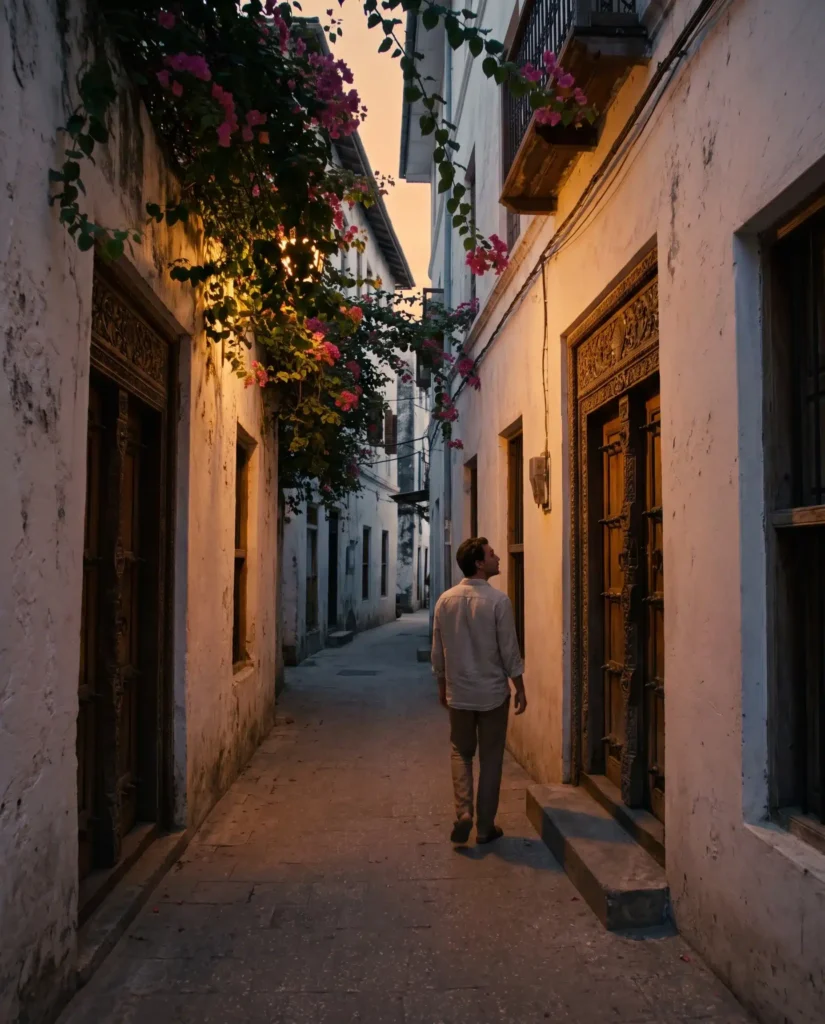
Yes, Zanzibar is safe for tourists in the way that matters day to day — violent crime aimed at visitors is rare, and the areas you’ll actually spend time in are calm. The honest caveats are about petty theft, road safety and a couple of specific rules rather than anything that should stop you booking. I live here, so this is the version I’d actually tell a friend rather than the version written to sound reassuring.
What “safe” actually means here
Split it into two categories, because they’re genuinely different risks. Violent or targeted crime against tourists is uncommon — it isn’t the thing that catches people out. Petty theft is the more realistic concern: an unwatched bag on a beach, a phone left on a table at a busy market in Stone Town, that kind of opportunistic loss rather than anything confrontational. Treat Zanzibar the way you’d treat any popular tourist destination with visible wealth disparity — sensible, not paranoid.
Solo travellers and women travelling alone
We get a steady stream of solo women booking tours directly, and it’s genuinely common rather than unusual here. The practical advice is the same as anywhere: dress a little more conservatively away from the beach itself (Zanzibar is a majority-Muslim island and modesty is appreciated, especially in Stone Town and villages), agree transport and pricing before you get in a vehicle, and keep the same general awareness you’d use in any unfamiliar city at night. None of that is Zanzibar-specific caution — it’s just what solo travel anywhere sensible looks like.
Health, food and water
Tap water isn’t safe to drink — bottled or filtered water is standard and cheap everywhere. Zanzibar is a malaria area, so talk to a travel clinic about prophylaxis before you go rather than deciding on arrival. Street food and small local restaurants are generally fine if they’re busy and turning over food quickly; the same judgement you’d apply anywhere applies here.
Roads are the real risk, not crime
If I’m honest about what actually worries me for visitors, it’s traffic, not theft. Driving here is different from what most visitors are used to, and dala-dalas (the shared minibuses) are cheap and characterful but not always driven cautiously. If you’re renting a scooter or car yourself, read our note on driving in Zanzibar first. If you’d rather not drive at all, travelling by dala-dala covers how that actually works, and most of our day tours include a private transfer so it isn’t something you need to think about at all.
What the official advisories actually say
As of the UK Foreign, Commonwealth & Development Office’s current guidance (verified 2026-08-24 against gov.uk/foreign-travel-advice/tanzania), the FCDO advises against all but essential travel to any area within 20km of the Tanzanian border with Mozambique’s Cabo Delgado province, because of attacks linked to armed groups there. That zone is on the mainland, hundreds of kilometres south-west of Zanzibar, and has no bearing on a normal Zanzibar holiday — but it’s the one specific restriction worth knowing about if your trip also includes southern mainland Tanzania. Zanzibar itself carries no equivalent warning. Always check your own government’s current advisory before you travel, since these are updated periodically.
Common scams and low-level hassle, not danger
The most common negative experience visitors report isn’t crime, it’s low-grade hassle: beach vendors who won’t take a polite “no” the first time, offers of tours at a price that changes once you’ve paid a deposit, or someone insisting they’re a licensed guide when they aren’t. None of this is dangerous, but it’s tiring if you don’t expect it. The fix is the same one that works everywhere: agree the full price and what’s included before you commit to anything, and be comfortable saying no more than once. Booking tours directly with a named, reachable local operator sidesteps almost all of it.
Is Stone Town safe at night?
Stone Town’s main streets and the waterfront around Forodhani are busy and well-lit into the evening and feel entirely ordinary to walk. The genuine advice, and it’s the same advice for any old town with a maze of narrow streets, is to stick to routes you know or travel with a local guide the first time after dark, since it’s easy to get turned around in the alleys rather than because of any specific danger. Our Stone Town tour is worth doing once in daylight first if you want to build a mental map before wandering back in the evening.
Vaccinations and entry health rules
Tanzania requires a yellow fever vaccination certificate only if you’re arriving from, or have transited more than around 12 hours through, a country where yellow fever is present — the UK, most of Europe and North America don’t trigger this, but several neighbouring African countries do. If it applies to your route, immigration checks the physical certificate, not a photo of it, so carry the original. Malaria prophylaxis is a personal medical decision to make with a travel clinic rather than something to self-diagnose from a blog, but Zanzibar is a malaria area and most doctors will recommend some form of cover. Verified 2026-08-24 against current published entry-health guidance; always confirm against your own country’s latest advisory before you travel, since certificate requirements are tied to your itinerary, not just your destination.
A note for LGBT+ travellers
This is worth being direct about rather than glossing over: Tanzanian law, on the mainland and in Zanzibar, criminalises same-sex relationships, and that’s a real legal fact, not just a cultural sensitivity. In practice, prosecutions targeting tourists are not the pattern enforcement takes, and LGBT+ visitors travel here regularly without incident by being discreet in public in the same way local same-sex couples would need to be. Public affection of any kind, gay or straight, isn’t really part of the culture here, which makes the practical advice simpler than it sounds. Verified 2026-08-24 against current legal-status guidance — if this affects your travel decisions, it’s worth reading your own government’s specific advisory rather than relying on any single blog, this one included.
The one legal requirement that trips people up
Zanzibar requires every foreign visitor to hold its own mandatory inbound travel insurance policy, separate from whatever travel insurance you already have, and you’ll be asked to show proof at immigration. It isn’t a safety measure in the crime sense, but not having it is the single most common thing that catches visitors out at the airport, so it’s worth sorting before you fly.
Practical habits worth adopting
- Use a hotel safe for your passport and spare cash rather than carrying everything at once.
- Agree taxi and tour prices before you get in the vehicle, not after.
- Keep a digital copy of your passport, visa and insurance on your phone.
- Book tours and transfers with someone local and named, not an anonymous beach tout.
How we can help
Most of what makes a trip here feel safe is just knowing who to ask when something’s unclear — which is exactly what booking directly with someone local gives you that a faceless agency doesn’t. Every tour we run includes a proper transfer, so getting to and from Stone Town or a day trip like Safari Blue isn’t something you need to arrange yourself.
If you’ve got a specific worry about your trip — a solo itinerary, travelling with kids, whatever it is — message me on WhatsApp and ask. I’d rather answer the real question than have you guess from a blog post.
See more of this in your Google results
If this was useful, tell Google you want more of it. Our tours and travel tips will then rank higher in your own results whenever you search about Zanzibar. It takes one tap and opens right here on the page.